
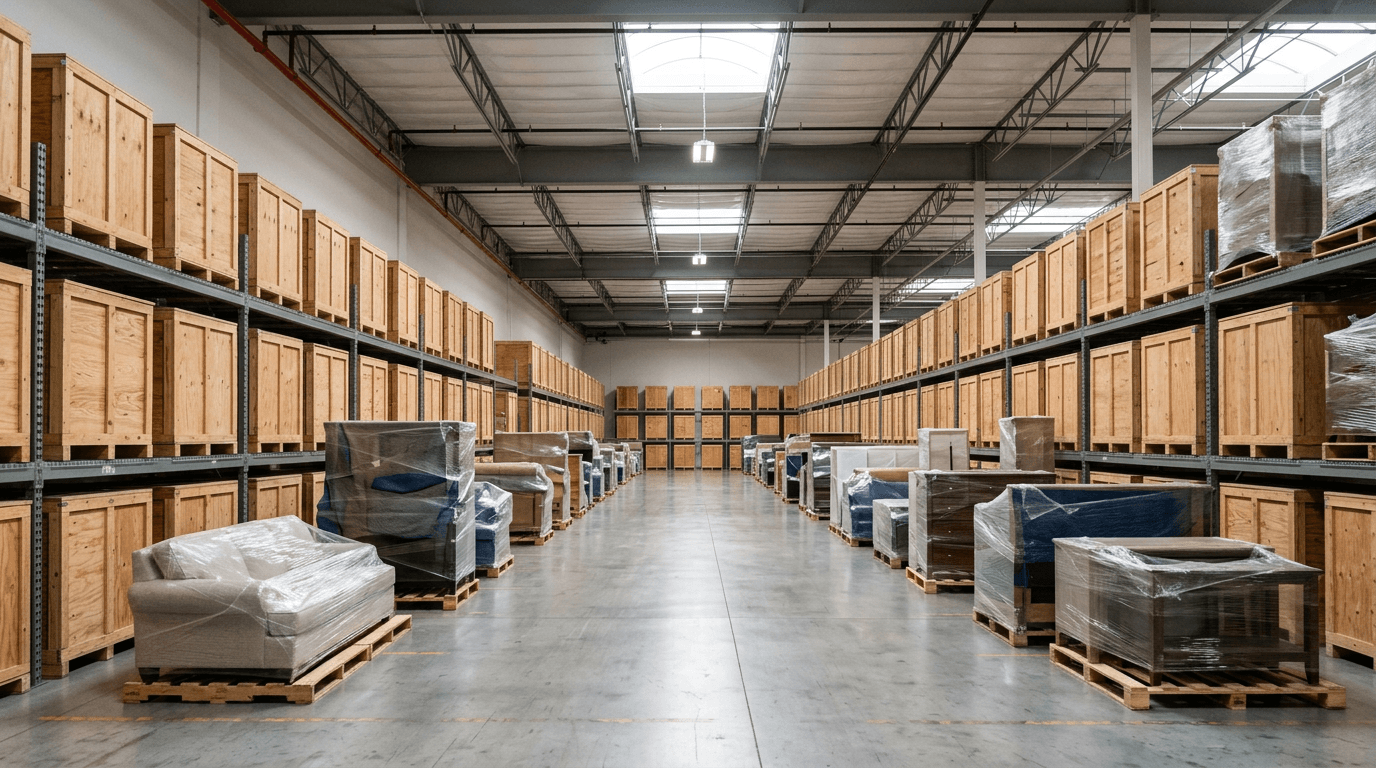
Moving dates and closing dates rarely line up perfectly. Maybe your new home is still under construction, your lease starts a few weeks after you leave, or a closing gets pushed back at the last minute. When there is a gap between pickup and delivery, your belongings need somewhere safe to wait. On an interstate move, that usually means storage-in-transit.
MoveSafe Relocation is a licensed interstate household goods moving broker (USDOT 4021844, MC-1517170). We do not own or operate storage facilities. When storage is part of your move, it is provided by the licensed carrier we match you with, either at its own warehouse or at a facility operated by its agent. Here is how that works and what you should ask before you agree to it.
What Storage-in-Transit Means
Storage-in-transit, often shortened to SIT, is temporary storage of your shipment while it is still in the carrier's possession, pending final delivery. Your belongings are picked up, loaded, and transported as usual. Instead of going directly to your new address, they are unloaded at a warehouse near your destination and held there until you are ready.
Because the shipment is still considered "in transit," the carrier's responsibility and your valuation coverage generally continue while it is in SIT. That is the key difference between SIT and simply renting a self-storage unit on your own.
How the Process Works
Time Limits and Conversion to Permanent Storage
SIT is meant to be temporary, and the maximum length is set by the carrier's tariff and your agreement. If your belongings stay past that period, storage typically converts to permanent storage. When that happens, the interstate move is considered complete, the carrier's interstate liability may end, and the terms of the warehouse, including its own rates and coverage, take over.
Ask the carrier exactly how long SIT lasts, how and when you will be notified before it converts, and what changes in cost and coverage if it does.
Questions to Ask About Climate Control
Climate control matters most for items sensitive to heat and humidity, which is especially relevant if your belongings will sit through a summer in the South.
Questions to Ask About Fees
Storage costs depend on the carrier, the facility, the size of your shipment, and how long items are stored. To avoid surprises, ask for each of these in writing:
Tips for a Smooth Storage Stop
Frequently Asked Questions
Does MoveSafe Relocation own storage facilities?
No. MoveSafe Relocation is a licensed moving broker. Storage is provided by the licensed carrier we match you with, or by its agent's facility.
Is storage-in-transit the same as self-storage?
No. With SIT, your belongings stay in the carrier's possession and the shipment is still considered in transit. With self-storage, you rent and manage the unit yourself.
Can I add storage after my move is booked?
Often yes, but availability and pricing depend on the carrier. The earlier you ask, the more options you will have.
What happens if I need storage longer than planned?
Ask the carrier about extending SIT before it expires. If it converts to permanent storage, costs and coverage may change.
Need Storage as Part of Your Move?
If you are planning an interstate move, the MoveSafe Relocation team can help you compare options and connect you with a licensed, insured carrier that fits your move. Call (833) 995-3200 or request a free quote whenever you are ready.
Ready to Plan Your Move?
Get a free, no-obligation quote. As a licensed interstate moving broker, we match you with a licensed, insured carrier for your move.