
How to Effectively Disinfect Your New Apartment Before Moving In: Essential Cleaning and Sanitizing Strategies
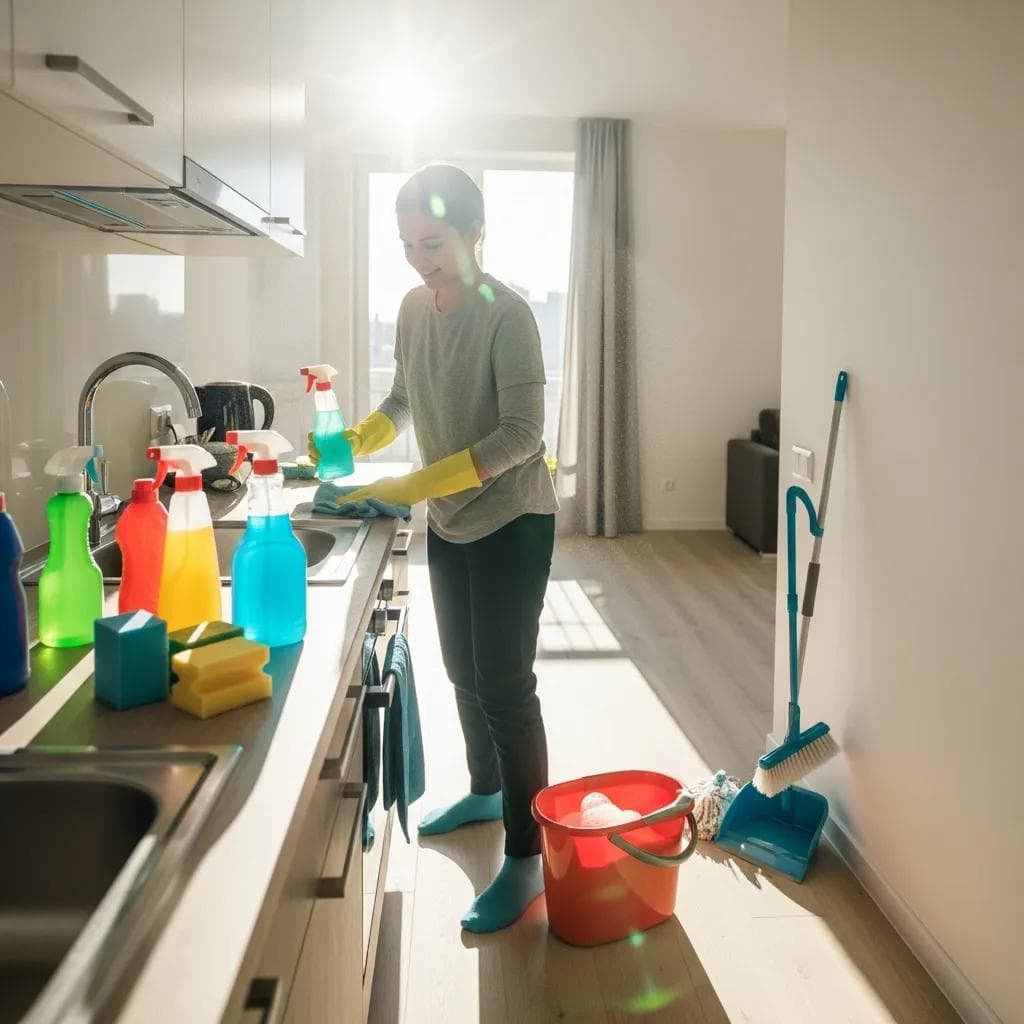
Moving into a new apartment is a milestone—pre-occupancy cleaning and disinfection reduce microbes, allergens, and lingering odors from prior occupants. This guide summarizes efficient procedures, recommended products, and practical sanitization steps so you can enter a hygienic, ready-to-occupy space.
Key Takeaways
Disinfect before moving in to reduce germs and allergens.
Prioritize high-touch areas: kitchen, bathroom, and living spaces.
Create a room-by-room checklist to organize tasks.
Use EPA-registered products (e.g., Clorox wipes, Lysol spray) for proven results.
Consider eco-friendly options (vinegar, baking soda) where appropriate.
Allow 24–48 hours for cleaning and contact times to work.
Protect items with plastic wrap and bubble wrap during transit.
Evaluate moving insurance for financial protection.
What Are the Key Steps in Pre-Move-In Apartment Cleaning?
Pre-move-in cleaning follows a simple workflow: inspect and list areas for deep cleaning, set a timeline, and gather supplies (disinfectant, microfiber cloths, mop, bucket, gloves). Working from top to bottom and room to room prevents recontamination.
Which Areas Require Thorough Disinfection Before Moving?
Focus on high-touch surfaces and rooms where contamination and allergens accumulate:
Kitchen: Wipe countertops, sinks, cabinet handles, and appliances.
Bathrooms: Disinfect toilets, sinks, shower surfaces, and grout.
Living Areas: Clean doorknobs, light switches, remote controls, and shared surfaces.
Targeting these zones lowers infection risk and improves indoor comfort.
Recognition of high-touch surface contributions to pathogen transmission underscores the need for targeted disinfection in these areas.
Disinfecting High-Touch Surfaces to Prevent Germ Transmission The main routes of transmission include direct contact with at-risk patients and indirect contact with contaminated high-touch surfaces. High-touch surfaces (e.g., lift buttons, door handles, tables) are generally accepted as important spots of infection transmission. The presented results provide understanding on transmission dynamics through surfaces in building environments, and ensuing discussion may help contribute to building sustaina Impact of High-Touch Surfaces on Potential Transmission of Diseases in Offices and Public Buildings, G Tokazhanov, 2024
How to Develop a Pre-Move-In Cleaning Checklist for Apartments
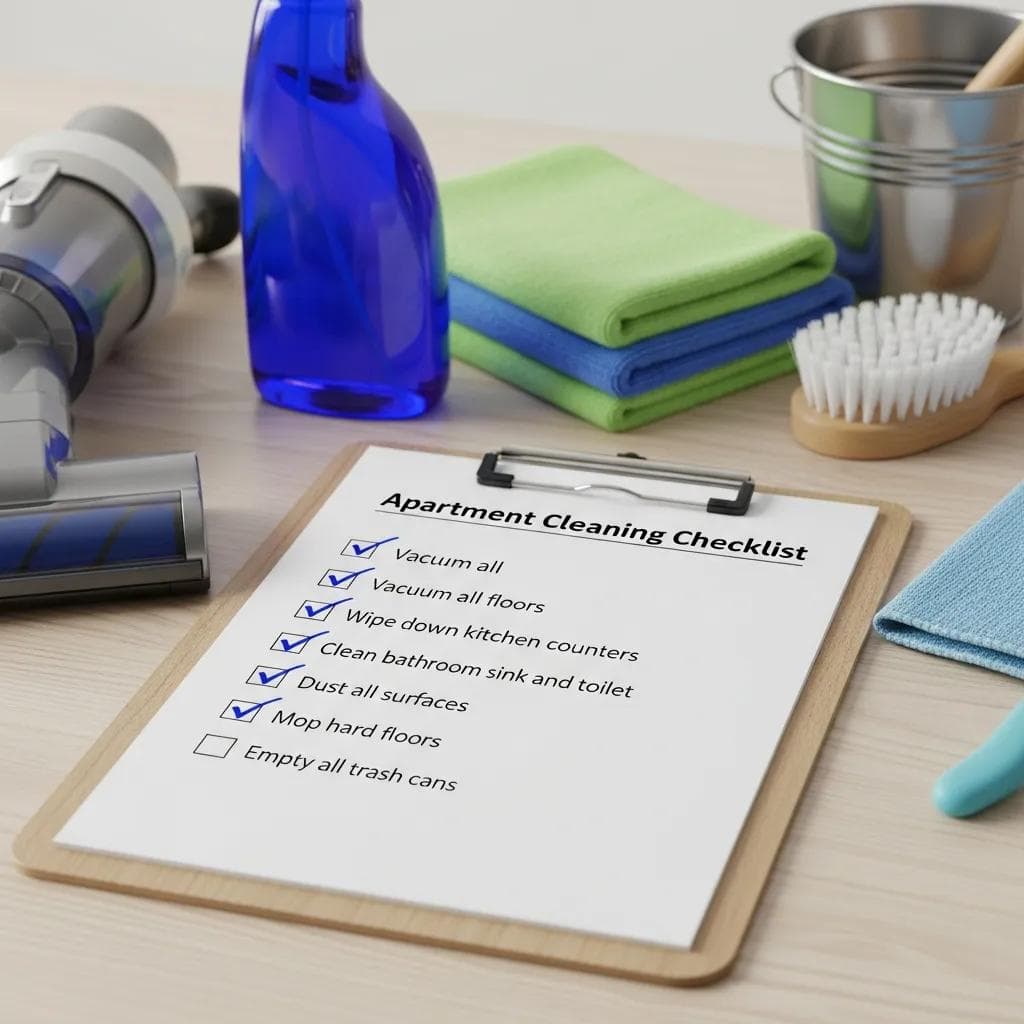
Use a concise checklist to assign tasks and confirm completion for each room. Include who will clean, the supplies required, and deadlines for deep-clean items.
List of Tasks: Specific chores per room.
Prioritization: Immediate vs. routine tasks.
Supplies: Disinfectants, cloths, mop, gloves, trash bags.
A short, actionable checklist prevents missed steps and speeds the process.
What Are the Best Cleaning Products and Disinfectants for New Apartments?
Choose cleaners that are effective for the surface and have clear instructions. Match the product to the task (disinfecting vs. deodorizing) and follow labeled contact times for disinfection.
Which EPA-Approved Disinfectants Are Safe and Effective for Apartment Surfaces?
EPA-registered options commonly used by occupants include:
Clorox Disinfecting Wipes: Quick for high-touch spots.
Lysol Disinfectant Spray: Surface and room-level sanitation.
Seventh Generation Disinfecting Multi-Surface Cleaner: Plant-based multi-surface option.
Use products according to instructions to ensure efficacy and surface compatibility.
How to Select Eco-Friendly and Non-Toxic Cleaning Agents
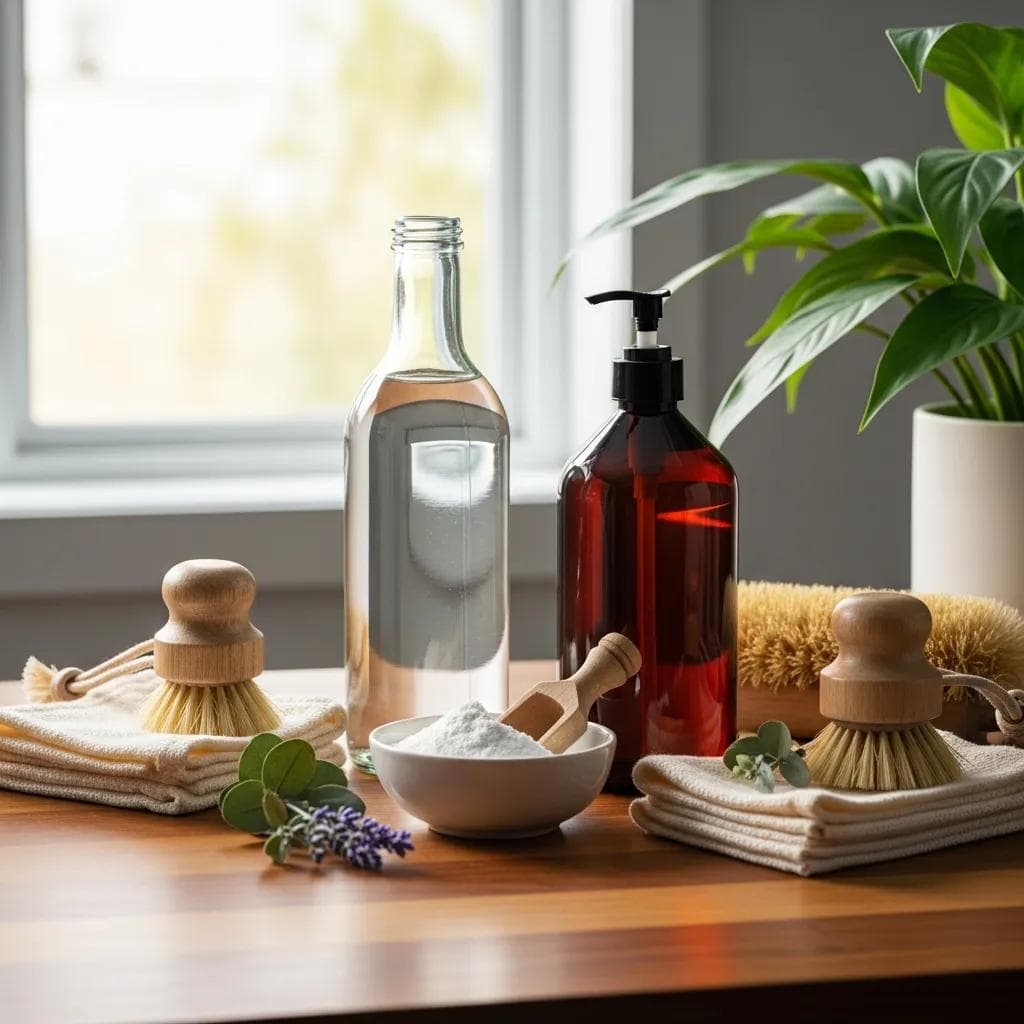
For lower chemical exposure, choose biodegradable, fragrance-free products with transparent ingredient lists. Common household alternatives:
Vinegar: Mild disinfectant for many hard surfaces (avoid on stone).
Baking Soda: Scrubbing and odor control.
Castile Soap: Gentle multi-surface cleaner.
Natural agents work for routine cleaning; use stronger EPA products when disinfection is required.
How to Sanitize Your Apartment Efficiently Before Moving In?
Sanitization reduces viable microorganisms; achieve it by following proper cleaning technique, selecting the right product, and allowing recommended contact time.
What Are the Recommended Techniques for Surface and Air Sanitization?
Effective techniques include:
Surface Cleaning: Remove soil, then disinfect high-touch areas with appropriate products.
Air Purification: Use HEPA air purifiers or ventilate by opening windows when possible.
Regular Schedule: Implement daily quick-clean tasks and periodic deep cleans.
Consistent practice maintains a healthier apartment over time.
How Long Should You Allow for Cleaning and Disinfection Before Occupancy?
Allow at least 24–48 hours to complete cleaning and respect labeled disinfectant contact times; this also helps airborne odors dissipate.
What Are Best Practices to Protect Your Furniture and Belongings During the Move?
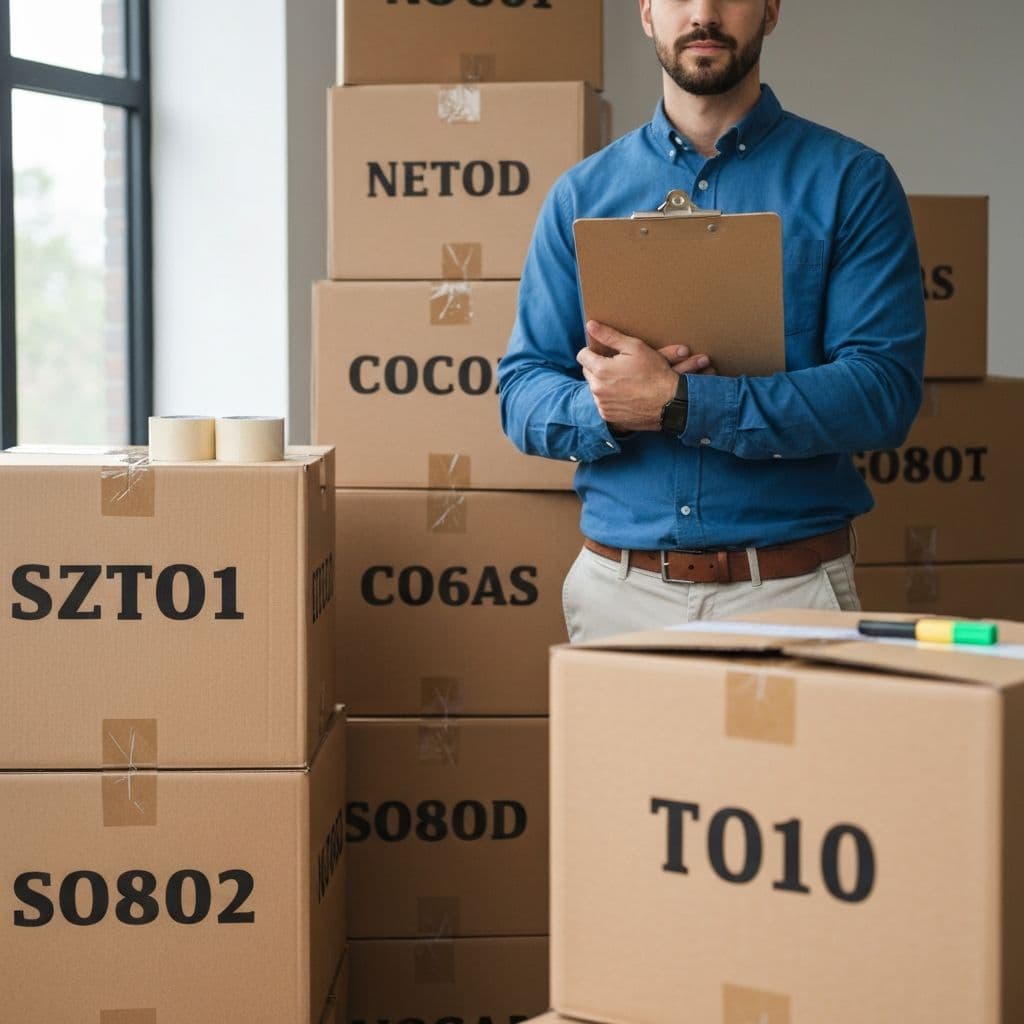
Pack and protect items to prevent damage and contamination. Use standard packing materials and label contents clearly for safer handling.
How to Use Protective Covers and Packaging to Prevent Contamination
Cover and cushion items to guard against dust, moisture, and impact. Key steps include:
Use Plastic Wrap: Wrap furniture to block dust and moisture.
Bubble Wrap: Protect fragile items.
Label Boxes: Clear labels ensure correct handling.
These simple measures protect belongings and reduce post-move cleaning.
What Role Does Moving Insurance Play in Safeguarding Your Assets?
Moving insurance offers financial recourse for transit damage or loss. Compare coverage limits, exclusions, and the claims process before deciding.
For example, MoveSafe Relocation offers comprehensive moving services with an emphasis on protecting customer belongings and clear claims handling.
Protection Strategy | Description | Effectiveness |
Protective Covers | Shields furniture from dust and moisture | High |
Bubble Wrap | Prevents breakage of fragile items | High |
Moving Insurance | Financial protection against loss or damage | Medium |
The table highlights common protection strategies and their relative effectiveness.
To further assist with your relocation, MoveSafe Relocation provides services across multiple locations.
Following these guidelines helps ensure the apartment is disinfected, organized, and ready for occupancy.
For relocation planning support, you may contact MoveSafe Relocation for professional guidance.
Frequently Asked Questions
What should I do if I have allergies or sensitivities to cleaning products?
Choose hypoallergenic, fragrance-free, or eco-friendly cleaners (vinegar, baking soda, Castile soap). Test a small area first and use gloves and a mask if you are sensitive.
How can I ensure my new apartment is free from pests before moving in?
Inspect for droppings, nests, or damage; seal obvious entry points and store food securely. If signs of infestation appear, hire a licensed pest control professional for inspection and treatment.
Is it necessary to clean the carpets and curtains before moving in?
Yes—carpets and curtains trap dust, allergens, and odors. Consider professional carpet cleaning and launder or dry-clean curtains according to care labels to improve air quality.
What are some tips for cleaning hard-to-reach areas in my new apartment?
Use extendable tools, microfiber cloths, vacuum crevice attachments, and a step ladder for high shelves and behind appliances. Move furniture slightly to access hidden dust if feasible.
How can I maintain a clean and sanitized apartment after moving in?
Keep a simple cleaning schedule: daily quick tasks, weekly surface cleaning, and monthly deep cleans for kitchens and bathrooms. Prioritize high-touch surfaces and adopt habits like removing shoes at the door.
What should I do if I find mold in my new apartment?
Address moisture sources first. For small areas, clean with a water-and-vinegar solution or a commercial mold product per instructions. For extensive mold, hire a professional remediation service and improve ventilation to prevent recurrence.
Conclusion
Pre-occupancy disinfection and targeted cleaning create a safer, more comfortable living environment. Focus on high-touch surfaces, use appropriate disinfectants, and follow a concise checklist to streamline the move-in. For professional moving and relocation support, consider contacting MoveSafe Relocation.
Ready to Plan Your Move?
Get a free, no-obligation quote from our team of moving experts. We handle residential, commercial, and long-distance relocations across all 50 states.