

How to Pack for a Move: The Complete Room-by-Room Packing Guide
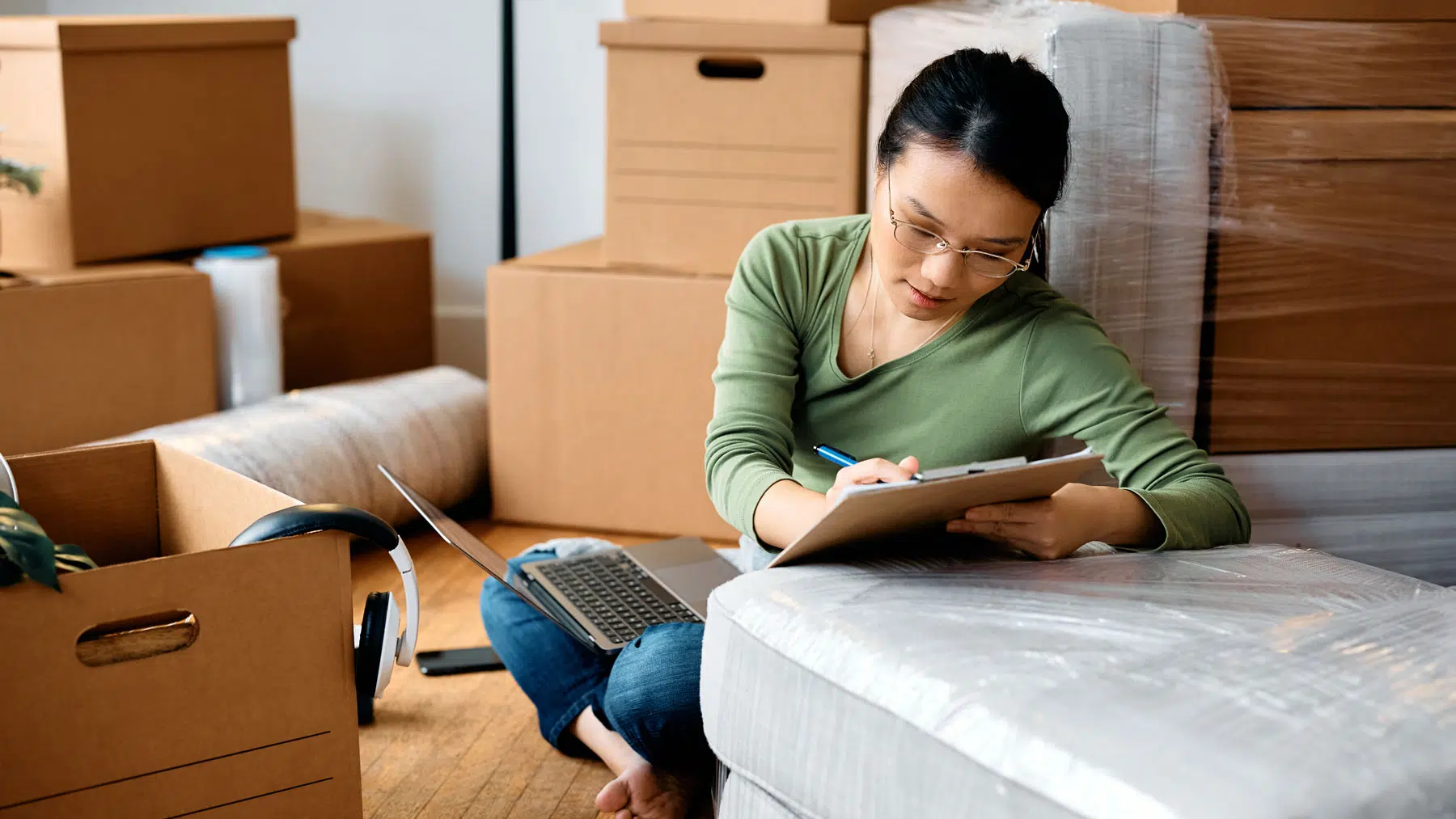
Packing is the part of moving that everyone dreads. It's tedious, time-consuming, and if done poorly, it can lead to damaged belongings, lost items, and a chaotic unpacking experience at your new home. But packing doesn't have to be a nightmare. With the right approach and a room-by-room strategy, you can pack your entire home efficiently, protect your belongings, and make unpacking on the other end dramatically easier.
This guide walks you through how to pack every room in your house for a move, with tips on materials, techniques, and the order that makes the most sense.
Packing Supplies You'll Need
Before you start packing a single box, make sure you have all the supplies you need. Running out of tape or boxes mid-pack is frustrating and slows you down.
You'll need moving boxes in multiple sizes — small, medium, and large. Small boxes are for heavy items like books and canned goods. Medium boxes handle most household items. Large boxes are for lighter, bulky items like pillows, linens, and lampshades. Using the right size box prevents overpacking, which causes boxes to break, and underpacking, which lets items shift and break during transit.
Packing tape is essential — get the heavy-duty kind designed for moving, not regular office tape. You'll go through more than you think, so buy at least four to six rolls.
Bubble wrap protects fragile items like dishes, glasses, and electronics. Packing paper — the unprinted kind — is used for wrapping individual items and filling empty spaces in boxes. Newspaper works in a pinch but can leave ink stains on your belongings.
Permanent markers for labeling every box. Ziplock bags for small hardware like screws, bolts, and cable connectors. Stretch wrap for bundling items together and protecting furniture. Furniture pads and blankets for wrapping large pieces.
Start with the Rooms You Use Least
The key to stress-free packing is starting early and working in the right order. Begin with the rooms and items you use least frequently, and save the daily essentials for last.
A good packing order is: storage areas and garage first, then guest rooms and formal spaces, followed by living areas and home office, then kids' rooms, and finally the kitchen and master bedroom. This progression ensures you're not digging through packed boxes looking for things you need in the weeks before your move.
How to Pack the Kitchen
The kitchen is the hardest room to pack in any home. It's full of fragile items, oddly shaped appliances, and more stuff than you realize until you start pulling things out of cabinets.
Dishes and plates. Wrap each plate individually in packing paper. Stack them vertically in a small or medium box — plates are less likely to break standing on their edges than lying flat. Place crumpled packing paper between each plate and fill any gaps in the box so nothing shifts.
Glasses and mugs. Stuff packing paper inside each glass or mug first, then wrap the outside. Place them upside down in the box with dividers if available. If you don't have dividers, create a grid using cut cardboard pieces. Small boxes work best for glassware because they prevent overpacking.
Pots and pans. Stack pots and pans with packing paper between each one to prevent scratching. Lids can be packed separately or wrapped and placed on top. Large boxes work well for cookware.
Small appliances. If you still have the original boxes for your blender, food processor, or stand mixer, use them. If not, wrap each appliance in packing paper or bubble wrap, secure the cords with rubber bands, and pack them in appropriately sized boxes with plenty of padding.
Knives. Use blade guards if you have them. If not, wrap each knife in several layers of packing paper and secure with tape. You can also use a kitchen towel as a protective sleeve. Clearly label any box containing knives for safety.
Pantry items. Toss anything expired or nearly empty. Pack sealed, non-perishable items in small boxes. Open containers of spices, oils, and condiments should be sealed in ziplock bags to prevent leaks. Perishable food should be used up before your move or donated.
How to Pack the Living Room
The living room contains a mix of bulky furniture, electronics, and decorative items that each require different packing approaches.
Electronics. Original boxes are always the best option for TVs, gaming consoles, and computers. If you don't have them, wrap screens in blankets or bubble wrap and pack them in the largest box available with ample padding. Take photos of all cable connections before disconnecting anything. Bundle cables with rubber bands and label each one.
Books. Pack books in small boxes. Books are heavy, and a large box filled with books is nearly impossible to carry. Lay hardcovers flat and pack paperbacks standing upright. Fill any gaps with packing paper.
Picture frames and artwork. Wrap each frame in bubble wrap and pack them upright in a box with cardboard dividers. For valuable artwork, consider using specialty picture boxes or custom crating. Never lay framed items flat in a box where weight can crack the glass.
Lamps. Remove lampshades and pack them separately in large boxes — don't stack anything on top of them. Wrap lamp bases in packing paper or bubble wrap and pack them in separate boxes.
Throw pillows and blankets. Use these as padding inside boxes containing fragile items, or pack them in large garbage bags with the air squeezed out. Vacuum storage bags are even better for saving space.
How to Pack the Bedroom
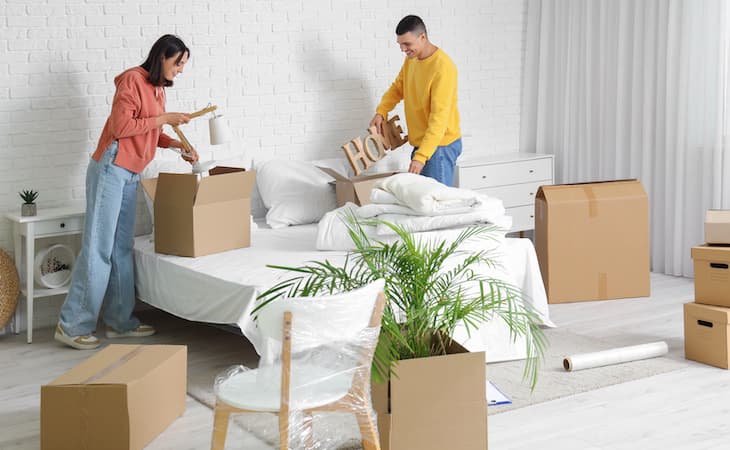
Clothing. You have several options. Wardrobe boxes let you hang clothes directly from a bar, keeping them wrinkle-free. This is the best option for suits, dresses, and anything that shouldn't be folded. For everyday clothing, leave it in dresser drawers — many movers will transport dressers with the drawers intact, which saves packing time. Folded clothing can also go in large boxes or suitcases.
Shoes. Pack shoes in their original boxes if you have them. Otherwise, stuff each shoe with packing paper to maintain its shape and pack pairs together in medium boxes. High heels and boots should be wrapped individually.
Jewelry and valuables. Don't pack expensive jewelry in the moving truck. Keep it with you in a personal bag or carry-on. If you have costume jewelry or less valuable pieces, small ziplock bags keep items organized and prevent tangling.
Bedding. Strip the beds on moving day and pack sheets, pillows, and comforters in large garbage bags or vacuum storage bags. These items are bulky but lightweight, making them ideal for filling space in the moving truck.
Mattresses. Use mattress bags — they're cheap and protect your mattress from dirt, moisture, and tears during the move. Most moving companies sell them or can provide them.
How to Pack the Bathroom
Bathrooms are often packed last because you need toiletries right up until moving day.
Toiletries and liquids. Open bottles of shampoo, lotion, and cleaning products are leak risks. Place each bottle in a ziplock bag before packing. Use small boxes and pack them upright to minimize spills.
Medicine cabinet. Pack medications in a clearly labeled box and keep it with your essentials bag — not on the moving truck. Dispose of expired medications properly before moving.
Towels. Use towels as packing material. Wrap fragile items in towels instead of buying extra bubble wrap. Otherwise, pack towels in large boxes or garbage bags.
Mirrors and glass shelves. Wrap in bubble wrap and pack in boxes with cardboard supports. Mark the box as fragile on all sides.
How to Pack the Home Office
Computers and monitors. Back up all data before packing. Wrap monitors in blankets or bubble wrap and pack in sturdy boxes. Pack towers and laptops separately with padding.
Documents and files. Keep important documents — birth certificates, passports, financial records, medical records — in a personal bag that stays with you. File boxes work well for packing office paperwork that can go on the truck.
Office furniture. Disassemble desks and bookshelves. Bag and label all hardware. Wrap individual pieces in furniture pads or blankets.
How to Pack the Garage and Storage Areas
Tools. Wrap sharp tools individually. Pack hand tools in small boxes — they're heavy. Power tools should be packed in original boxes if available or wrapped in blankets.
Sporting equipment. Deflate balls, disassemble what you can, and pack in large boxes or duffel bags. Surfboards, skis, and other oversized items may require specialty packing or custom boxes.
Hazardous materials. Most movers will not transport flammable liquids, propane tanks, pesticides, paint, or other hazardous materials. Dispose of these properly before your move. Check your moving company's prohibited items list for specifics.
Seasonal items. Holiday decorations, seasonal clothing, and outdoor equipment that you don't use regularly should be some of the first things you pack.
Labeling Tips That Make Unpacking Easier
Good labeling is the difference between an organized move-in and a week of opening random boxes looking for your toothbrush.
Label every box on at least two sides with the room it belongs in and a brief description of the contents. Use a color-coding system — assign a color to each room and use colored tape or markers to match boxes to rooms.
Number each box and keep a master inventory list. This helps you confirm that everything arrived and makes it easy to find specific items without opening every box.
Mark fragile boxes clearly on all sides. Mark boxes that should be loaded last and unloaded first — these are your essentials and the items you'll need immediately.
The Essentials Box
This is the most important box you'll pack. It contains everything you need for the first 24 to 48 hours in your new home.
Include toiletries, medications, phone chargers, a change of clothes for each family member, basic cleaning supplies, paper towels, trash bags, a few kitchen essentials like paper plates and utensils, important documents, and tools for reassembling beds and furniture.
Keep this box with you — in your car or carry-on — not on the moving truck. When the truck arrives late or delivery takes longer than expected, this box is your lifeline.
Final Packing Tips
Don't over-pack boxes. A box you can't lift is a box that's going to get dropped. Keep the weight manageable, especially for small boxes.
Fill empty spaces in every box with packing paper, towels, or clothing. Items that shift during transit break.
Use the right box for the right item. Heavy items in small boxes, light items in large boxes. This prevents crushing and makes carrying easier.
Pack one room at a time and finish before moving to the next. Mixing items from different rooms in the same box creates chaos during unpacking.
If you don't have time or energy to pack yourself, most moving companies offer professional packing services. It's an added cost, but for a long-distance move, having professionals handle the packing can save you significant time and give you peace of mind that everything is protected.
Key Takeaways
Start packing with the rooms you use least and save the kitchen and bedroom for last
Use small boxes for heavy items and large boxes for light, bulky items
Wrap every fragile item individually and fill empty space in every box
Label all boxes on two sides with contents and room destination
Pack an essentials box with 48 hours of necessities and keep it with you
Disassemble furniture, bag and label hardware, and photograph electronics setups before disconnecting
Packing Supplies Checklist
Supply | What It's For | How Much You Need |
Small boxes | Books, heavy items, pantry goods | 10–15 per bedroom |
Medium boxes | General household items | 10–20 per bedroom |
Large boxes | Pillows, linens, lampshades, light items | 5–10 per bedroom |
Wardrobe boxes | Hanging clothes (suits, dresses) | 1–2 per closet |
Packing tape | Sealing all boxes | 4–6 rolls |
Bubble wrap | Fragile items, electronics, glass | 1–2 rolls |
Packing paper | Wrapping items, filling box gaps | 1–2 bundles |
Permanent markers | Labeling every box | 3–4 markers |
Ziplock bags | Small hardware, screws, cables | 1 box (various sizes) |
Stretch wrap | Bundling, furniture protection | 1–2 rolls |
Furniture pads/blankets | Large furniture protection | 6–12 pads |
Mattress bags | Mattress protection during transit | 1 per mattress |
Room-by-Room Packing Priority Order
Priority | Room | When to Pack | Why |
1 | Storage/Garage | 6–8 weeks before | Rarely used items, pack first |
2 | Guest Room/Formal Spaces | 4–6 weeks before | Infrequently used |
3 | Living Room/Home Office | 2–4 weeks before | Can function with less |
4 | Kids' Rooms | 1–2 weeks before | Coordinate with kids |
5 | Kitchen | Final week | Used daily until the end |
6 | Master Bedroom/Bathroom | Moving day morning | Last rooms you need |
Frequently Asked Questions
How far in advance should I start packing?
For a full household, start at least three weeks before your move. Begin with storage areas and rarely used rooms, then work toward the kitchen and bedrooms last. Starting early prevents the last-minute scramble that leads to breakage and disorganization.
What is the best way to pack dishes and glasses?
Wrap each plate individually in packing paper and stack them vertically in small boxes. For glasses and mugs, stuff packing paper inside first, then wrap the outside. Use dividers or cut cardboard to create a grid between glasses.
Should I pack books in large boxes?
No. Always pack books in small boxes. A large box filled with books becomes too heavy to lift safely and is more likely to break. Small boxes keep the weight manageable.
How do I pack a TV for moving?
Use the original box if you still have it. If not, wrap the screen in a moving blanket or several layers of bubble wrap, secure it in the largest box available with padding on all sides, and mark the box as fragile. Never lay a flat-screen TV flat in the truck.
Is it worth paying for professional packing services?
For long-distance moves or homes with a lot of fragile or high-value items, professional packing typically costs $200 to $800 and can be well worth it. Professionals pack faster and use proper techniques. Confirm packing charges and valuation or insurance terms with the independent carrier. Professional packing is not automatically insured, and carrier valuation is not insurance.
Conclusion
Packing doesn't have to be overwhelming if you approach it with a plan. Start early, work room by room, use the right supplies, and label everything clearly. The effort you put into packing correctly pays off on the other end — fewer broken items, faster unpacking, and a much less stressful first week in your new home. Whether you do it yourself or hire professionals, the room-by-room strategy keeps you organized and on track from start to finish.
Ready to Start Packing?
Packing is a big job, but breaking it down room by room makes it manageable. Start early, stay organized, label everything, and don't underestimate how long it takes — most people need at least two to three weeks to pack a full household.
If you're planning an interstate household move and want help arranging packing or transportation, contact MoveSafe Relocation for a quote. MoveSafe is a licensed interstate household goods moving broker, not a motor carrier. We arrange services with independent authorized carriers; they perform the packing and transportation under their written agreements and published tariffs. MoveSafe does not perform the physical move or offer local or intrastate moves.
Ready to Plan Your Move?
Get a free, no-obligation quote from our team of moving experts. We handle residential, commercial, and long-distance relocations across all 50 states.