

Smart Box Labeling Techniques for a Stress Free Move: Essential Tips and Organization Strategies
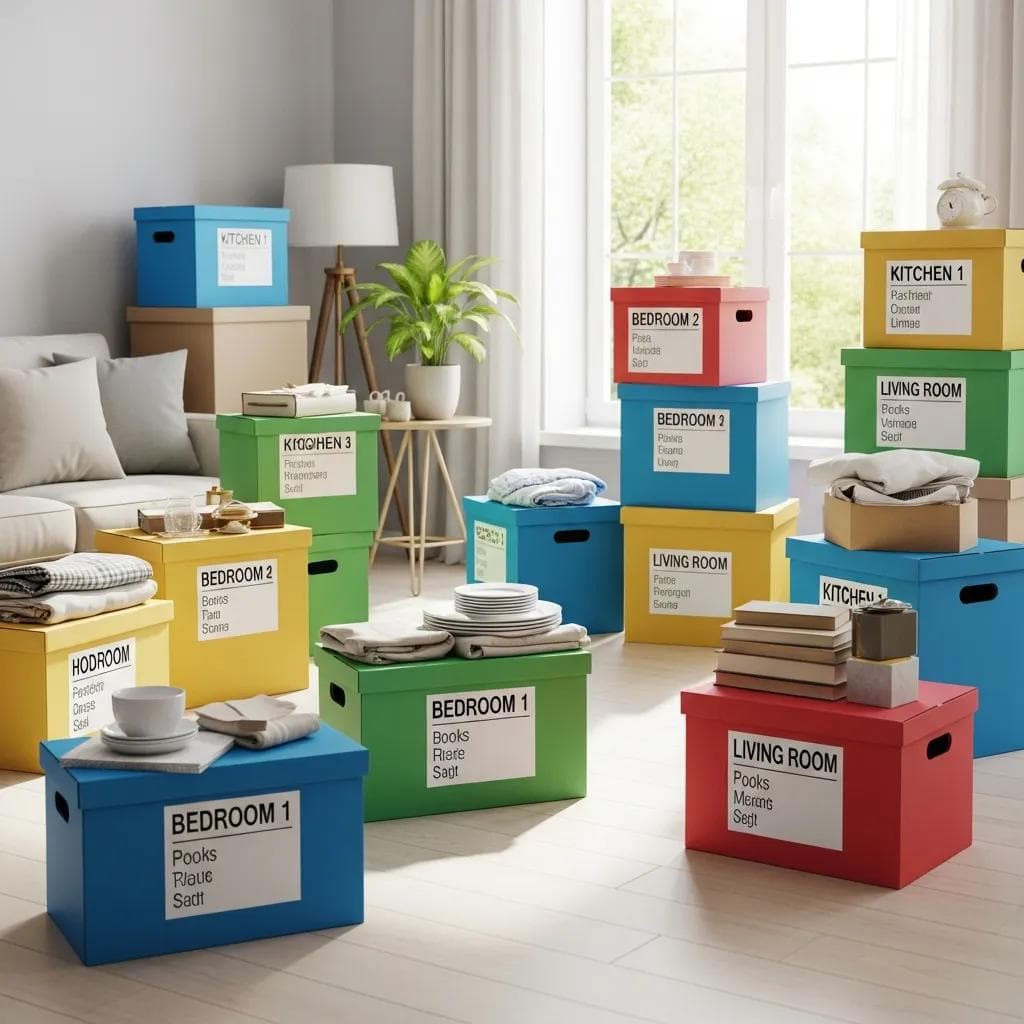
Relocation creates many logistical tasks; clear box labeling cuts friction by improving accountability and simplifying handling. This guide summarizes practical labeling techniques and organization strategies to speed packing and unpacking while lowering transit risk. It also notes how MoveSafe Relocation can assist with professional handling and protection during transport.
Key Takeaways
Label boxes by room so items go to the right place.
Include a short contents list on each label for fast identification.
Use color coding to provide a quick visual cue by room.
Keep an inventory list to track boxes and serve as a checklist.
Choose durable labels and markers to prevent smudging.
Put labels on multiple sides so they remain visible.
Mark fragile items clearly to reduce damage risk.
Clear labels help carriers and speed claims if needed.
Essential Tips for Labeling:
Consistent labeling is a key control for a smoother move. Use a simple protocol and apply it to every box.
Label by Room: Mark the destination room on each box to simplify placement at the new location.
Contents List: Write a brief contents summary to avoid opening boxes unnecessarily.
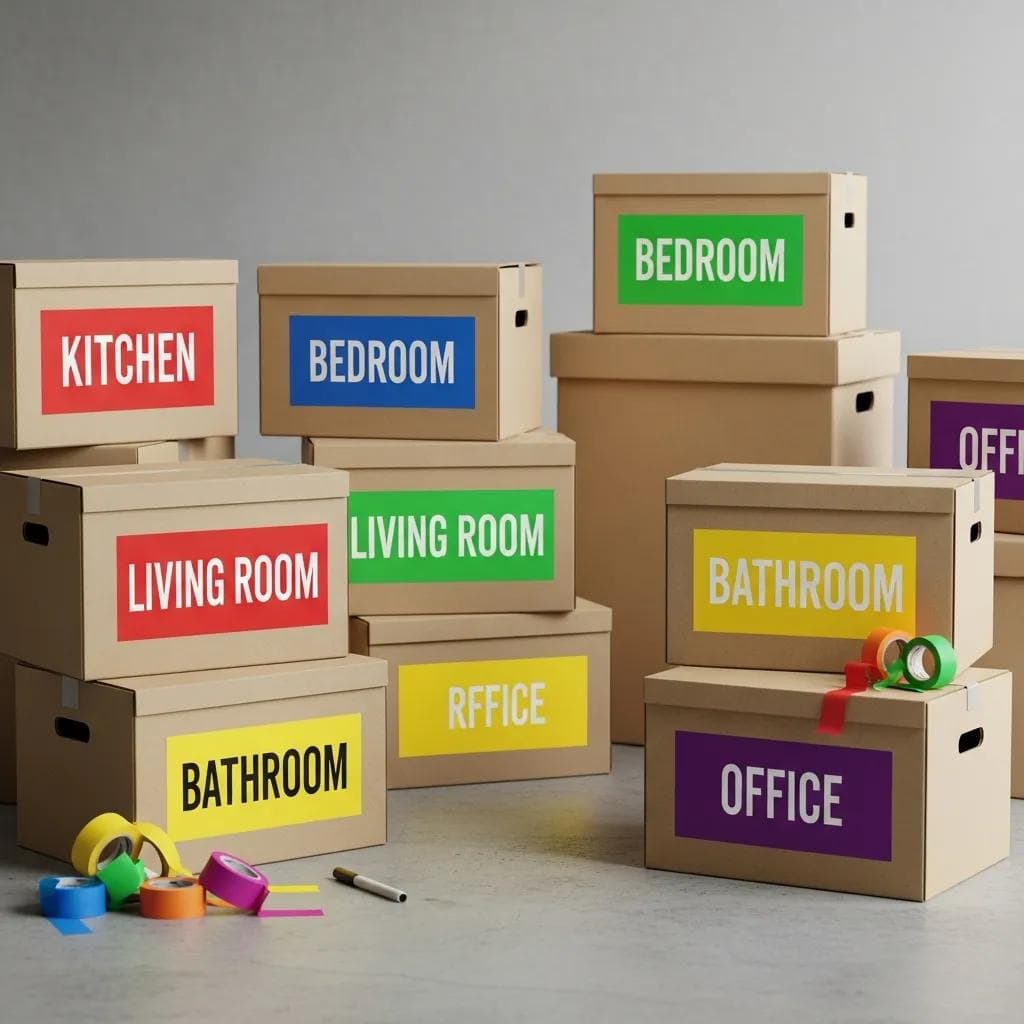
Color Coding: Assign a color to each room to speed sorting and placement.
When useful, engage professionals. MoveSafe Relocation also offers claims support and configurable insurance to reduce transit exposure.
Organization Strategies:
Organize the packing process to save time and reduce errors.
Create an Inventory List: Log boxes and key contents as you pack.
Use Checklists: Keep a room checklist to ensure nothing is missed.
Room-by-Room Packing: Pack one room at a time to maintain order.
These steps standardize packing, make items easier to find, and help with post-move verification.
Best Practices for Effective Labeling:
Maintain label durability, consistent format, and visibility so information survives handling and stacking.
Use Quality Materials: Choose durable labels and permanent markers that resist smudging.
Label Multiple Sides: Place labels where they can be seen when boxes are stacked.
Consistent Format: Use the same layout (room, brief contents, fragile/orientation) on every label.
Review valuation and protection options with MoveSafe Relocation to select appropriate coverage for valuable items.
What Are the Best Practices for Labeling Moving Boxes?
Good labeling relies on standard terms, legible writing, and clear destination information to aid handlers and speed inventory checks.
How to Use Clear and Consistent Labeling Methods
Use bold, readable lettering and a short, standardized vocabulary so labels are unambiguous for movers and receivers.

What Information Should Be Included on Each Moving Box Label?
Each label should include:
Room Designation: Destination room.
Contents Description: A concise list of main items.
Orientation Marking: Mark "Fragile" or "This Side Up" when appropriate.
How Can Color Coding Enhance Moving Box Organization?
Assign a distinct color per room so movers can sort boxes visually. For example: blue = kitchen, green = living room, red = bedrooms. This reduces misplacement and speeds placement.
Empirical studies corroborate that color-based wayfinding improves navigation and organization in complex environments.
Color Coding for Improved Wayfinding Effectiveness The study measured the overall effectiveness of the wayfinding intervention as perceived by emergency department staff. Color coding the “labyrinth”: How staff perceived a two-part intervention to improve wayfinding in an adult emergency department, M Madson, 2021
What Are Effective Color Coding Systems for Moving Boxes?
Choose distinct, easily distinguishable colors, produce matching labels or stickers, and brief everyone involved on the scheme before moving day.
Choosing Colors: Pick contrasting colors for adjacent rooms.
Preparing Labels: Match stickers or markers to the chosen colors.
Communicating with Helpers: Share the color map with family or movers.
How to Implement Color Coding for Room and Content Identification
To implement color coding:
Choose Colors: Assign a color per room.
Prepare Labels: Use colored stickers or markers for consistency.
Label Boxes: Affix labels before moving to ensure boxes are identifiable at pickup.
What Are Practical Moving Box Organization Ideas for Efficient Packing?
Declutter first, pack room-by-room, and prepare a prioritized "first night" box with essentials for immediate access.
Declutter Before Packing: Remove items you no longer need to reduce volume.
Room-by-Room Packing: Pack and label each room in sequence.
Create a First Night Box: Include toiletries, basic kitchenware, a change of clothes, and important documents.
How to Prioritize and Group Items for Moving Box Organization
Group items by room and by use (everyday, seasonal, fragile). Use appropriate packing materials and label contents clearly.
Decluttering: Remove nonessential items up front.
Room-by-Room Packing: Keep similar items together for easier unpacking.
Using Quality Packing Materials: Protect valuables with adequate cushioning.
What Are Tips for Organizing Boxes to Facilitate Unpacking?
Reduce box count through decluttering, use clear labels, and keep essentials accessible to speed settling in.
Declutter Before Packing: Fewer boxes mean faster unpacking.
Label Boxes Clearly: Make labels readable at a glance.
Create a First Night Box: Keep it separate and accessible.
How Does Proper Box Labeling Contribute to a Stress Free Move?
Proper labeling gives clear item identification, ensures boxes go to the right rooms, and speeds inventory checks so unpacking is more efficient.
Clear Identification: Reduces searching and misplacement.
Room Designation: Directs boxes to correct rooms immediately.
Contents List: Helps verify items quickly.
In What Ways Does Labeling Reduce Damage Claims and Loss?
Consistent labeling communicates handling instructions, flags fragile contents, and provides a reference for any post-move reconciliation.
Clear Identification: Encourages appropriate handling by movers.
Room Designation: Keeps fragile boxes visible and prioritized.
Contents List: Supports checks if items go missing or are damaged.
How Does Labeling Support Carrier Accountability and Efficient Claims Process?
Detailed labels aid carrier accountability and simplify inventory verification, which speeds resolution if damage or loss occurs.
Clear Communication of Contents: Ensures movers and carriers understand what is in each box.
Inventory Support: Use lists to cross-check with carriers.
Efficient Claims Process: Clear documentation accelerates claims.
To learn more about our services, contact us today.
Frequently Asked Questions
What are the benefits of using a first night box during a move?
A first night box keeps essentials—toiletries, a change of clothes, basic kitchen items, and documents—in one place so you can function immediately on arrival.
How can I ensure my fragile items are packed safely?
Use bubble wrap or packing paper, box items individually, fill voids with cushioning, mark boxes "Fragile" on multiple sides, and place heavy items below lighter ones.
What should I do if I lose a box during the move?
Refer to your inventory list, notify the mover immediately, and review insurance terms to determine coverage. A detailed inventory speeds investigation.
How can I involve my family in the packing and labeling process?
Assign rooms or tasks, require personal labeling for shared boxes, and use simple incentives to encourage neat, consistent packing.
What are some eco-friendly labeling options for moving boxes?
Consider biodegradable labels, reusable wipe-clean labels, recycled-paper tags, or washable markers on reusable containers to reduce waste.
How can I prepare my pets for a move?
Keep feeding and exercise routines, create a quiet staging area during packing, arrange supervised care on moving day, and bring familiar bedding to the new home.
What should I do with items I no longer need before moving?
Audit belongings and sort into keep, donate, sell, or discard. Use local charities or resale platforms to reduce volume and simplify the move.
Conclusion
Standardized box labeling and thoughtful organization significantly improve efficiency and reduce handling errors during relocation. Clear room designations, concise contents lists, and consistent materials make packing and unpacking faster and less stressful. For professional handling and tailored protection, consider engaging MoveSafe Relocation.
Ready to Plan Your Move?
Get a free, no-obligation quote from our team of moving experts. We handle residential, commercial, and long-distance relocations across all 50 states.